FREE AI WEBSITE DEVELOPMENT SUPPORT

Understanding RTO (Return to Origin) in E-Commerce: Meaning, Causes, and Smart Solutions by Jamsfa
11/10/2025
In today’s fast-moving eCommerce industry, every successful delivery is a small victory. But what happens when an order doesn’t reach its destination and returns back to the seller?
That’s where RTO, or Return to Origin, comes into play — one of the biggest challenges for online sellers today.
At first glance, RTO may seem like a simple logistical setback. However, for growing D2C and eCommerce brands, it can silently eat into profits, increase operational costs, and reduce overall brand trust.
Let’s explore what RTO actually means, why it happens, and how Jamsfa’s advanced RTO management solutions help brands overcome this issue and grow sustainably.
What Is RTO (Return to Origin)?
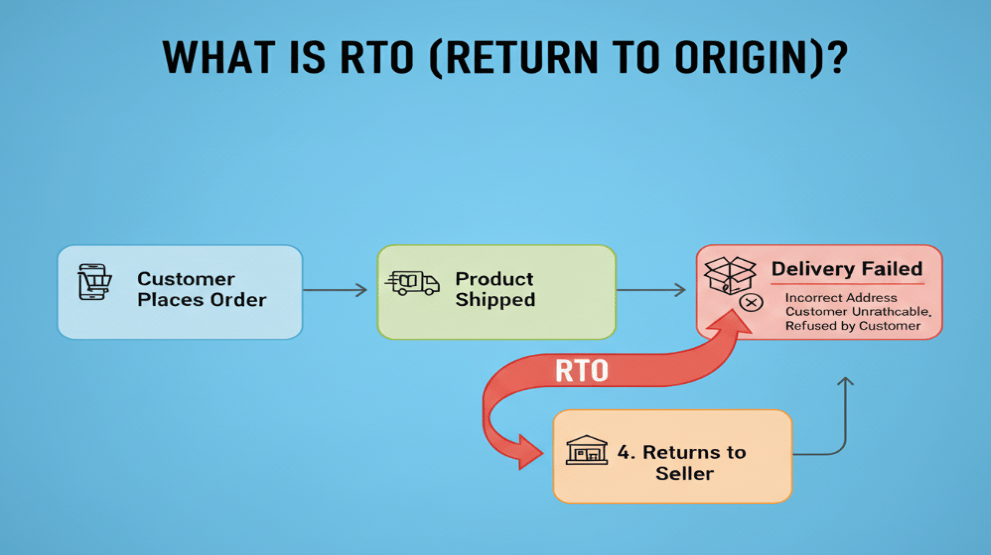
Return to Origin (RTO) occurs when an order that has been shipped to a customer returns back to the seller’s warehouse — undelivered.
It’s a costly cycle for any eCommerce business. You lose on:
Forward and reverse shipping charges
Packaging materials and manpower
Time and effort spent on order fulfillment
And in some cases, even the product itself
In simple terms:
RTO = Shipped order + Not delivered + Returned to the seller.
These repetitive returns reduce delivery success rates and can significantly impact a brand’s bottom line.
Common Reasons for RTO in E-Commerce
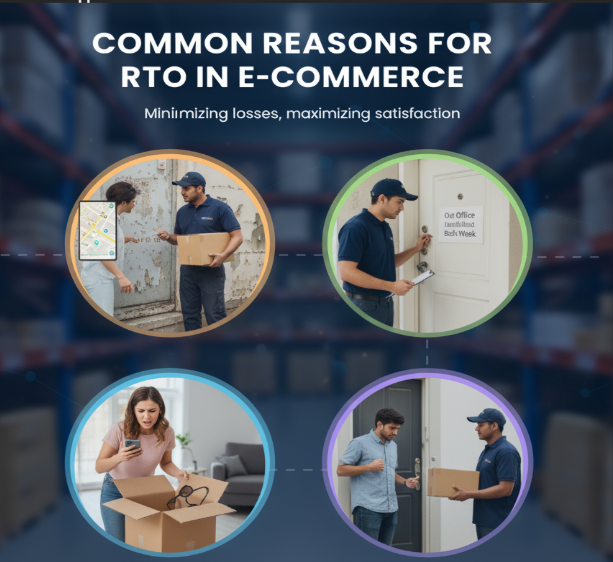
Understanding the root causes of RTO is the first step toward reducing it. Here are the top reasons eCommerce brands face Return to Origin issues:
🚫 Incorrect or incomplete address: The delivery partner can’t locate the customer.
📞 Customer unreachable: The phone is switched off or an invalid number is given.
💰 Cash-on-Delivery (COD) refusal: The customer denies paying at the doorstep.
🕒 Delivery delays: Customers cancel due to late delivery or poor tracking.
🤔 Change of mind: Impulsive buyers cancel after placing the order.
📦 Product mismatch/confusion: The delivered product doesn’t match what was seen online.
Each of these adds to the RTO rate — lowering profitability and damaging brand trust.
Why High RTO Is a Serious Problem for Online Sellers
A high RTO rate isn’t just a logistical issue — it’s a profitability trap.
When an order is returned, businesses face multiple hidden losses such as:
Forward + Reverse logistics cost
Blocked inventory sitting idle in warehouses
Cash flow disruptions due to COD orders
Decline in overall conversion rate and ROI
Lower logistics performance score with courier partners
For D2C and eCommerce businesses, reducing RTO is now a critical part of operations, marketing, and customer experience management.
Smart Ways to Reduce RTO (Return to Origin)
Here are some proven, data-backed RTO reduction strategies that top eCommerce brands use:
1. Pre-Dispatch Address Verification
Use smart tools to verify addresses, pin codes, and mobile numbers before dispatching. A simple verification step can reduce up to 15–20% of failed deliveries.
2. Promote Prepaid Orders
Encourage prepaid payment options by offering small discounts, cashback, or loyalty points. Prepaid orders have up to 70% lower RTO rates than COD orders.
3. Automated Delivery Reminders
Send proactive SMS, WhatsApp, or email alerts with delivery dates, time slots, and live tracking links to ensure customer availability at the time of delivery.
4. Accurate Product Listings
Use real images, detailed specifications, and transparent pricing. Clear product details reduce the chances of customers rejecting or canceling orders.
5. Reliable Shipping Partners
Collaborate with logistics partners who provide live tracking, quick delivery, and smart routing to improve the first-attempt delivery success rate.
6. Analyze and Optimize RTO Data
Regularly monitor RTO data across regions, payment modes, and product categories. Insights help in identifying where the maximum RTOs occur and why.
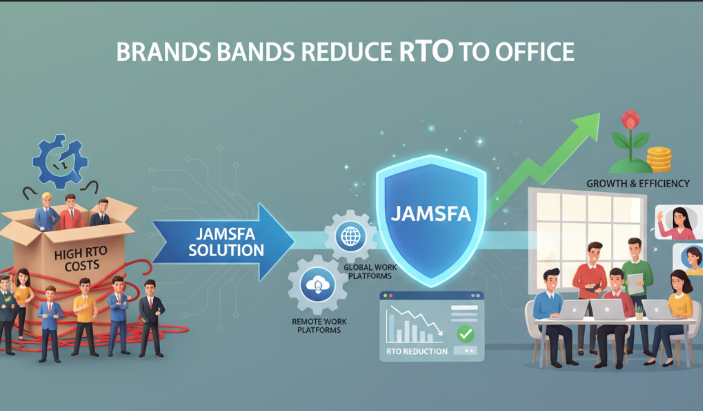
How Jamsfa Helps Brands Reduce RTO
At Jamsfa, we don’t just manage RTO — we help brands prevent it.
Our data-driven RTO reduction solutions empower eCommerce and D2C businesses to make smarter, faster, and more profitable logistics decisions.
Here’s how Jamsfa helps you tackle RTO challenges:
🔍 1. Predictive RTO Analytics
Jamsfa’s advanced analytics engine identifies RTO-prone orders before dispatch, allowing sellers to take preventive actions like verification calls or payment re-confirmation.
🗺️ 2. Automated Address & Contact Verification
Using AI-based address validation tools, Jamsfa ensures every shipment has accurate location and contact details, reducing delivery failures by up to 25%.
💬 3. Smart Customer Communication
Through automated WhatsApp, SMS, and email workflows, Jamsfa helps brands keep customers informed — from order confirmation to delivery.
This improves customer trust and reduces cancellations.
💳 4. COD Risk Management
Jamsfa’s system intelligently tracks high-risk COD orders, flagging potential fraud or fake orders before shipment, and promoting prepaid conversions.
🚚 5. Logistics Optimization
We collaborate with top-tier courier partners and use real-time tracking dashboards to ensure faster deliveries and efficient RTO handling.
📈 6. Comprehensive RTO Reports
Jamsfa provides detailed RTO insights segmented by region, SKU, courier, and payment type, helping you make data-backed business decisions.
By blending marketing intelligence with logistics expertise, Jamsfa empowers brands to reduce RTO rates by up to 30%, improve profitability, and enhance customer satisfaction.
Final Thoughts
RTO (Return to Origin) might seem like a simple delivery failure, but its impact on your profit margins and customer experience is massive.
Managing RTO effectively isn’t just about logistics — it’s about smarter communication, better technology, and proactive data analysis.
That’s where Jamsfa steps in.
Our intelligent RTO management solutions help you identify risks, automate communication, and deliver a smoother customer experience — so your brand can ship smarter, reduce losses, and grow faster.